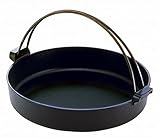


JapanBargain 1802, Cast Iron Pot Japanese Style Personal Shabu Shabu Nabe Pot Sukiyaki Nabe Noodle Hot Pot with Wooden Lid and Stand, 6-inch
R 1,231
or 4 x payments of R307.75 with
Availability: Currently in Stock
Delivery: 10-20 working days
This item may be available in a different size, colour, scent, version or platform:
JapanBargain 1802, Cast Iron Pot Japanese Style Personal Shabu Shabu Nabe Pot Sukiyaki Nabe Noodle Hot Pot with Wooden Lid and Stand, 6-inch
Japanese Style Cast Iron Pot Shabu Shabu Pot Sukiyaki Iron Nabe
Cast Iron Pot with Enameled Inner Surface for Easy Cleaning
This Japanese Style Hot Pot Measures 6-1/4 inch Diameter, 2-3/8 inch Height, Perfect for Serving 1 Person
This Cast Iron Pot comes with Wooden Lid and Wooden Stand, Heats evenly and cooks great
Perfect for serving Sukiyaki, Noodle, Shabu shabu, or stews, Great for home use or even restaurant use. This nabe pot can be heated directly on the stove top.
Dimension: 6-1/4in diameter x 2-3/8in h * enameled inner surface for easy cleaning * serving 1 person * 1 wooden lid & 1 wooden base are included * * nabemono (nabe cooking pot + mono things, stuffs, kinds) or simply called nabe, is a term referring to all varieties of Japanese steamboat dishes, also known as one pot dishes. The pots are traditionally made of clay ( donabe) which can keep warm for a while after taken off from the fire or cast thick iron ( tetsunabe) which evenly distribute heat and preferably used for sukiyaki. The pots are usually placed in the center of dinning tables, shared by multiple persons. Most nabemono are stews and soups served during the colder seasons. In modern japan, nabemono are kept hot at the dining table by portable stoves. The dish is frequently cooked at the table, and the diners can pick the cooked ingredients they want from the pot. It is either eaten with the broth or with a dip. Further ingredients can also be successively added to the pot. Eating together from a shared pot is considered as an important feature of nabemono, east Asian people believe that eating from one pot makes a closer relationship. The Japanese thus say, nabe (w)o kakomu (sitting around the pot), implying that sharing nabemono will create warm relations between the diners who eat together from the shared pot.